Dental Bonding Treatment

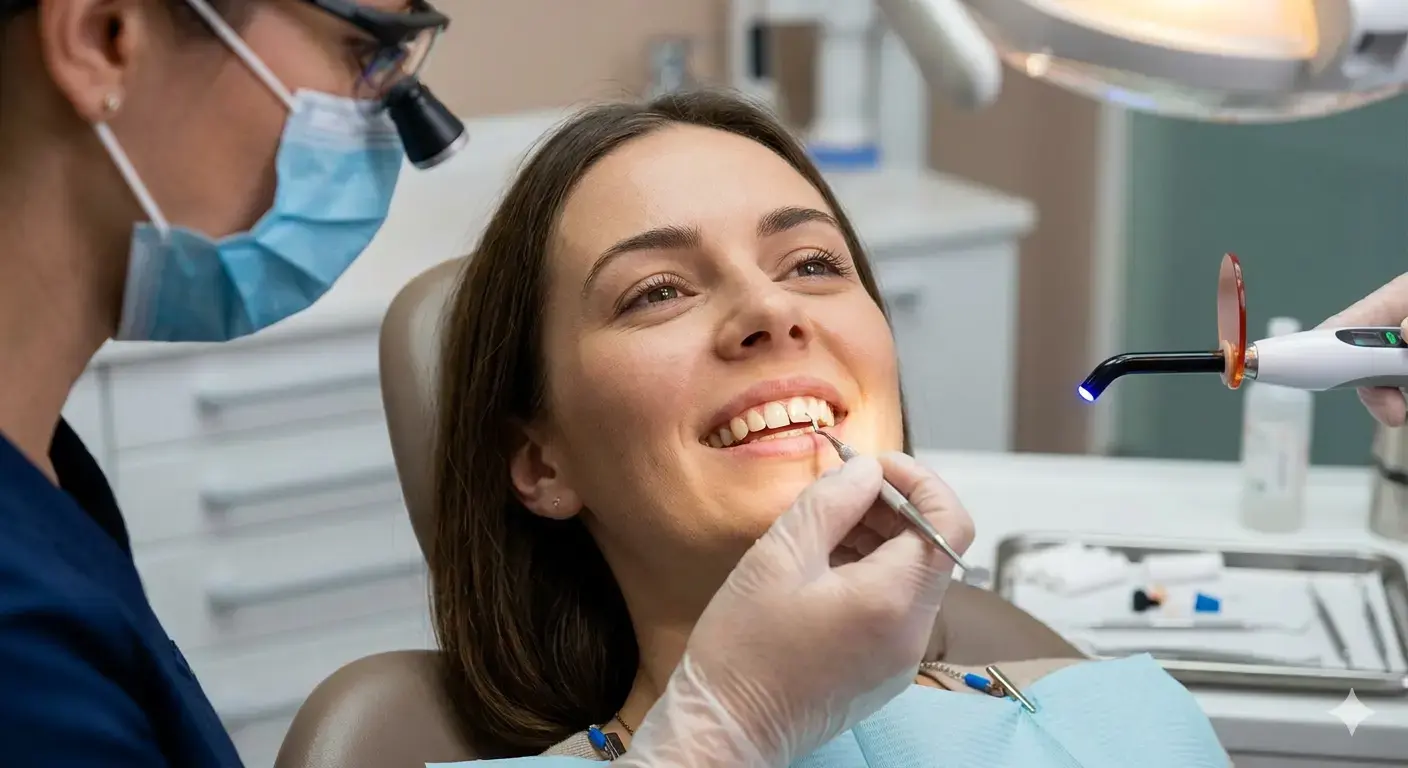
Dental bonding is a popular and conservative cosmetic dentistry procedure used to change the color, shape, or size of a tooth, close gaps (diastemas), or repair minor chips and cracks.
The core principle of this procedure is "bonding" a composite resin material to the tooth surface with little to no removal of the natural tooth enamel.
1. When is Dental Bonding Used?
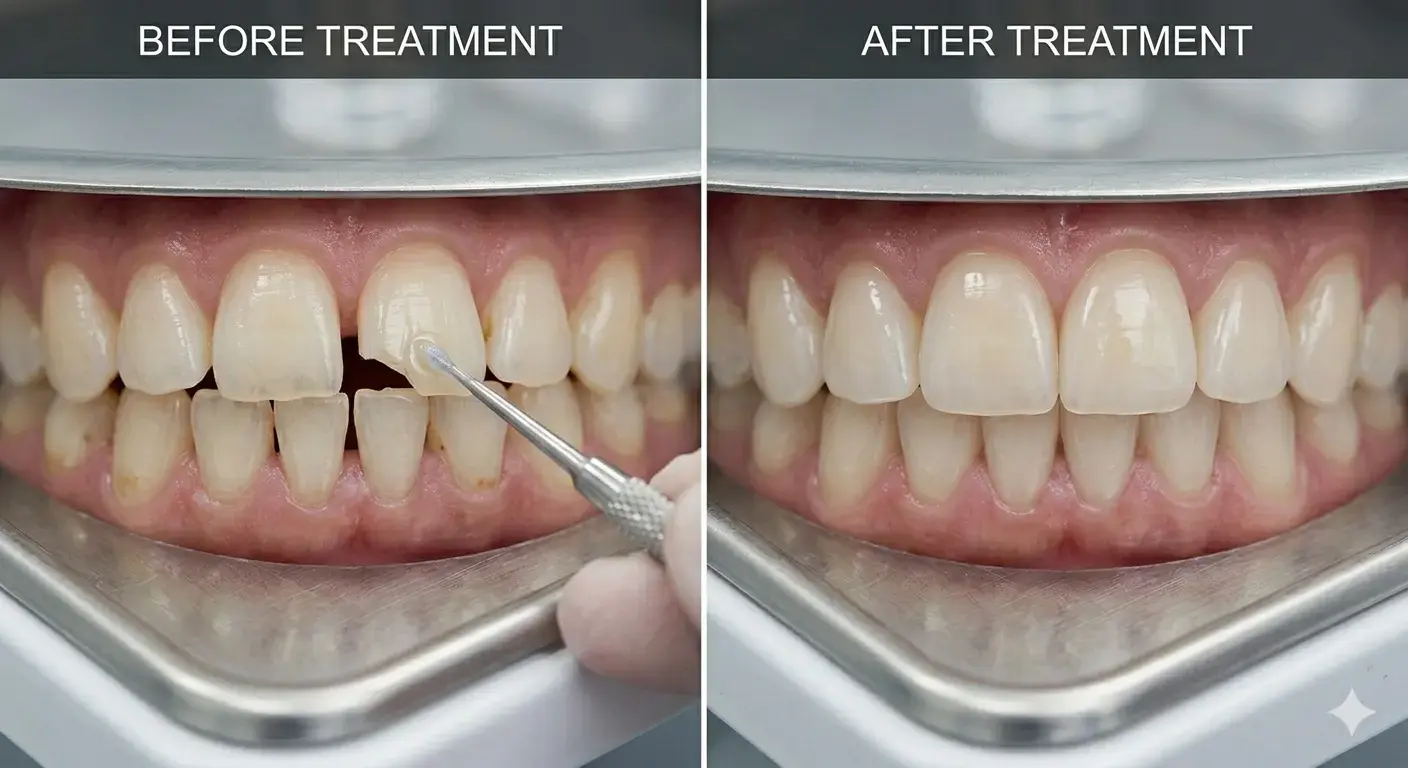
• Gapped Teeth (Diastema): It is the fastest solution for closing spaces between teeth.
• Chips and Cracks: It is used to aesthetically repair minor fractures caused by impact.
• Discoloration: It masks stubborn stains that do not respond to professional whitening.
• Shape Irregularities: It is preferred for lengthening teeth or evening out irregular tooth shapes.
2. How Does the Procedure Work?
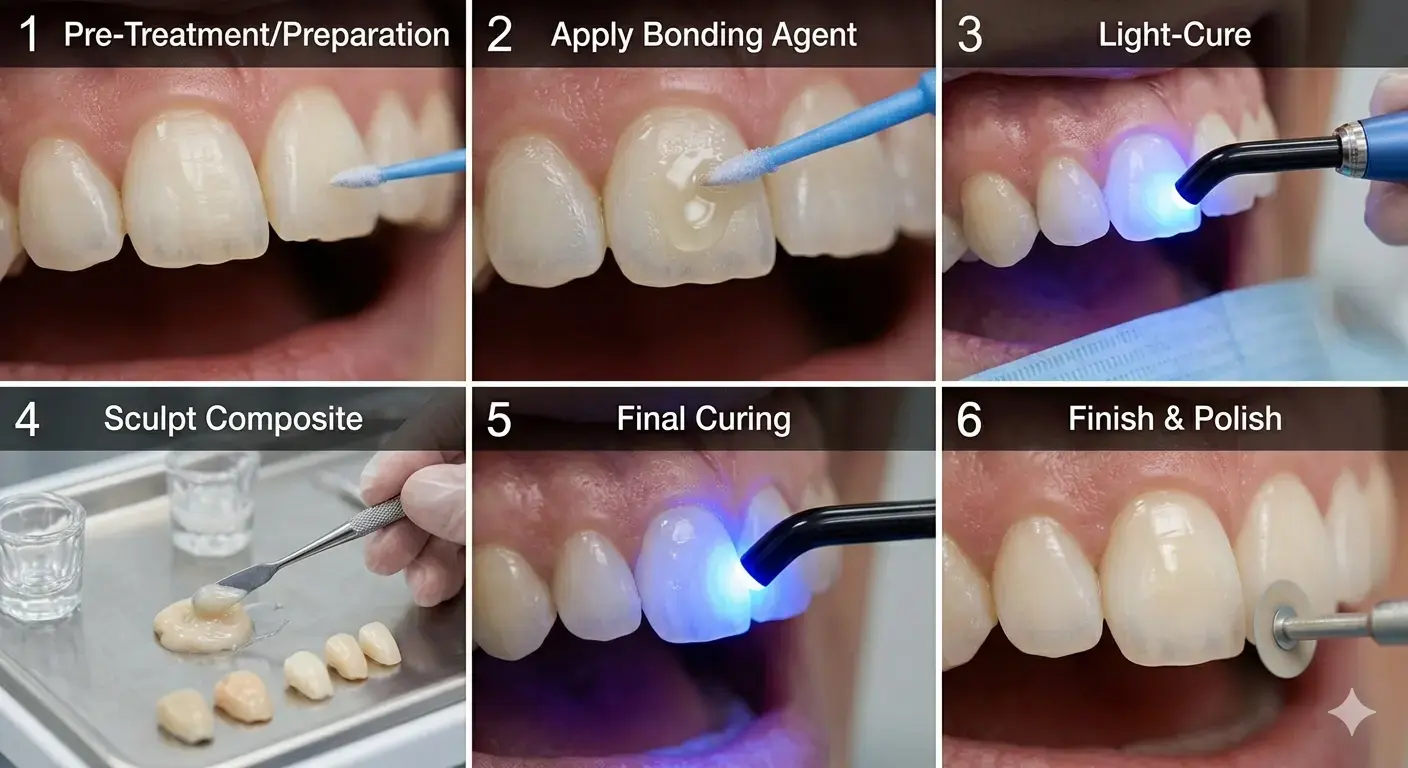
Bonding is usually completed in a single visit and involves the following steps:
1. Preparation: In most cases, anesthesia is not necessary. The dentist selects a composite resin shade that matches your natural teeth.
2. Etching: A mild etching solution is applied to the tooth surface to help the bonding material adhere securely.
3. Bonding: After a liquid bonding agent is applied, the composite resin is placed on the tooth and sculpted into the desired shape.
4. Curing: The resin is hardened using a specialized curing light (blue light).
5. Polishing: In the final step, the material is polished to match the natural sheen of the surrounding teeth.
3. Advantages and Disadvantages
| Advantages | Disadvantages |
|---|---|
| Fast: Treatment for a single tooth usually takes 30–60 minutes. | Durability: They may not last as long as porcelain veneers or crowns. |
| Cost-Effective: It is less expensive than porcelain applications. | Staining: Over time, tea, coffee, or smoking can cause discoloration. |
| Conservative: It requires almost no removal of natural tooth enamel. | Risk of Chipping: Biting very hard objects (ice, pens, etc.) can damage the resin. |
4. Lifespan and Aftercare
The lifespan of dental bonding typically ranges from 5 to 10 years, depending on the quality of the material and your oral hygiene habits. To extend the life of the treatment:
• Avoid biting down on hard objects or food.
• Maintain a routine of daily brushing and flossing.
• Regular dental check-ups for professional polishing can help minimize staining.
Note: If crowding or gaps are severe, your dentist may recommend orthodontic treatment or porcelain veneers. A clinical examination is essential for the most accurate treatment plan.
For more information about your dental health, check out the Go Clinic Blog!
Go to Blog


